The Mt. Himlung Himal Expedition comprises navigating deep into Nepal's untouched and difficult Himalayan surroundings. At an altitude of 7,126 m (23,379 ft.) high, the Himlung Himal is a powerful mountain that brings together great surroundings along with many technical as well physical characteristics. This expedition reflects the unchanging human spirit's continuous determination to reach the highest peaks of nature, going beyond simple physical endurance. Because of the magnificent surroundings and impressive height of Himlung Himal's, it is so attractive. Climbers may have time to see the raw majesty of the Himalayas by conquering this mountain, which is in the Naar-Phu region in the northeast of Himlung Himal and northwest of the Manaslu region. Towering peaks, huge glaciers, and beautiful valleys welcome those who dare to take on the challenge.
From the time of 1992 Naar-Phu region authoritatively unlocked for foreign for Trekking and expedition. In 1992, Osamu Hanai and Akio Koizumi, two Japanese climbers, successfully summited Himlung Himal. Himlung Himal has become a popular choice for mountaineers aiming to summit a 7,000-meter peak.
Here you can find camp to camp information of the Climbing Routes of Himlung Himal Expedition.
1.Base Camp (4850m/15912ft)
2.Camp I (5450m/17880ft)
3. Camp II (6000m,19685ft)
4.Camp III (6350m,20833ft)
5. Summit Push ( 7126m/23379ft)
From Base Camp, it will be a journey of about 15–16 days to the summit. At Base Camp, there will be well-established tents and equipment with plenty of space. Essential tents such as the kitchen, dining, and toilet tents will be set up and managed at the camp.
A Base Camp manager will be present to coordinate effectively with the Sherpas and team members throughout the expedition. Camp I is reached after a 4–6 hour walk from Base Camp, where tents are set up on snow or ice. Depending on the conditions, fixed ropes may be required due to moderate slopes.
The journey to the summit continues through steeper glacier sections, heavily crevassed areas, and some technical portions. Camp III is sometimes ignored when the summit push is made from Camp II. The summit ridge is often icy and exposed to strong winds. From the summit we can see Panoramic views like Annapurna II, Manaslu and even the Tibetan Plateau.
We carefully planned the Himlung Himal Expedition, focusing on detailed organization and a strong dedication to safety and wellbeing. Guided and assisted by Satori-skilled and professional Sherpas, experienced mountaineers, and a committed support group, our climbers receive thorough training and adapt to high altitudes in order to prepare for obstacles and problems. We carefully plan every aspect of base camp, including high-altitude logistics, to ensure safety and maximize the chances of reaching the summit.
The Mt. Himlung Himal Expedition symbolizes the strong bond of friendship and teamwork shared among the mountaineers. Along with the personal activities, the expedition supports a strong sense of togetherness and teamwork. This joint effort not only improves safety and productivity, but also creates permanent connections. The expedition team may face several challenges, including difficult ascents and unpredictable precipitation. However, with proper planning, flexibility, and constant dedication, the team overcomes challenges with strength and creativity. The team made every choice, from route selection to daily logistics management, prioritizing the mountaineers' safety and ethical responsibility. The Mt. Himlung Himal Expedition places a top priority on sustainability for the environment; it gives more priority to the Leave No Trace guidelines.
This pledge minimized their influence on the delicate Himalayan ecology, showing their commitment to protecting the Himalaya's natural splendor for upcoming expedition situations. From the difficult terrain of the lower sections to the high-altitude camps, each moment afforded a look at the amazing majesty and beauty of the Himalayan environment. The difficulties that are tested at high altitudes not only test climbers' physical abilities but also provide opportunities for self-reflection and a direct connection to the natural world. Overcoming obstacles and achieving a common goal together is a major objective of Mt. Himlung Himal Expedition for the mountaineers. The final ascent marked the end of careful preparation and determination. Balanced above Himlung Himal, the climbers felt a strong sense of satisfaction and community, showcasing their capacity to overcome challenges and succeed.
Proper sized climbing team members
Satori adventures always try to provide high standard facilities to the clients and sherpas. We make sure that our members deserve the same standard services during the journey to the summit. We have good team numbers on the day of the summit. We limit our team sizes to smaller so all members of the group make to summit in the best weather day. Those offering the expedition services in comparatively cheaper prices, accumulate many climbers and make larger group size, and subsequently split the group into smaller unit during the summit day, which likely cause failure to some members of the same group. Our members climb as families or close-knit teams of friends, even in international groups. We accept a maximum of 08 climbers in a group and split into a different group for larger numbers than this. Thus, we are renowned for personalized services.
Highly Qualified Sherpas/Team leader
For a successful summit, guides and Sherpas must be highly qualified, well-trained, and experienced in reaching high altitudes—including peaks above 8,000 meters. The International Federation of Mountain Guides Associations (IFMGA) trains and certifies our Sherpas, making them highly skilled and capable of providing a high level of safety and support throughout the expedition.They also have many years of mountaineering experience on some of the world's highest and most challenging peaks. We train our guides in basic and advanced rescue techniques, ensuring your safety remains our top priority at every stage of the journey.
Advanced Communication Modes
Clear and honest communication builds trust, understanding, and cooperation. In high-altitude expeditions, communication becomes even more critical. Our lead guide always carries a satellite phone, during both the climb and at base camp, to ensure reliable updates—especially for weather forecasts, summit push timing, or decisions to turn back. In addition, a local mobile network is available at base camp, making it easy for you to stay connected with your family during your stay. Reaching the summit is a team effort—staying connected is key. At Satori Adventures, we prioritize clear communication because we believe that honest communication leads to better, safer decisions.
Proper Base Camp Facilities
Satori Adventures is committed to creating a comfortable and supportive atmosphere at base camp. A well-organized and positive environment plays a crucial role in the overall success rate on the mountain. Some of the best expedition cooks who prepare meals tailored to your dietary needs will well take you care of. We offer various choices of diet plan, including vegetarian, vegan, continental, Indian and others.If you have any special dietary requirements or food preferences, please inform us at least 60 days before the start of the expedition so we can make the arrangements to provide the best meals for your trip.Satori Adventures will provide a chef cook, cook assistant, helper, and base camp manager at the advanced base camp to take care of your food, drinks, and other necessary services your good and comfort.
Maximum Summit Success Rate
Looking at our past summit records, we have maintained one of the highest success rates in the expeditions we've organized so far. Our extensive experience in Himalayan expeditions gives us the edge to make the right decisions when it matters most. By offering a higher Sherpa-to-client and guide-to-client ratio than most operators, we ensure powerful support and a solid backup for your summit attempt.
First Ascent: 03 October 1992. Akio Koizumi from Japan
Meals: B/B plan in Kathmandu & B,L,D in during Driving and climbing period
Highest access: 8,091m/ 26,545ft
Duration: 32 Days
Group Size: 02-10 people per group
Co-ordinates: 28°44′06″N 84°25′00″E
Location: Nepal/ Annapurna Region
Country: Nepal
Airport: Kathmandu Airport
Grade: Moderate Climb (PD++)
Accommodation: Three star to five stars as request
Transportation: Car, Jeep, Mini Bus
Best season: Spring (April, May) and autumn (October, November)
Major Activity: Trekking/ Climbing
Culture: Gurung, Thakali, Magar
Mode of Travel: Tea House/ Camping
Climbing route: South west(normal route)
Himalayan sights: Annapurna, Machhapuchhre, Mardi


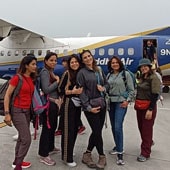
I have been bringing groups to Nepal primarily for trekking the high Himalayas and Satori is my business partner in Nepal. The service is just excellent..everything is spot on with Satori.
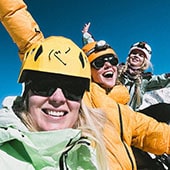
Satori Adventures is the best tour operator I have worked with in Nepal. Always great service and good prices. My first choice for my adventures in Nepal!
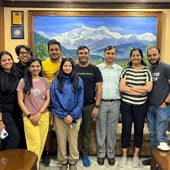
One of the most reputed and well managed agencies. The owner Mr Rishi is a true gentleman and knows the pulse of the mountains. His team his flexibility when it comes to management is truly exceptional.
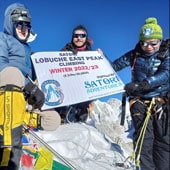
Satori Adventures is the best host for any activities in Nepal! We utilized their knowledge and experience in organizing high-altitude expedition for a part of our group. For another part of our team, they managed to provide an incredible hike to the base camp





 USA
USA MEXICO
 FRANCE
 CHINA
CHINA JAPAN
JAPAN